Forza Horizon 6 is supposed to be about racing.
And it is. The game takes the series to Japan, with Xbox listing it for Xbox Series X|S and PC, plus a PlayStation 5 release later in 2026. The appeal is obvious before you even touch the deeper systems: fast cars, festival energy, city streets, mountain roads, and that familiar Horizon feeling of wanting to ignore the route line just to see what is around the next corner.
But the thing that keeps sticking with me is not one race.
It is the garage.
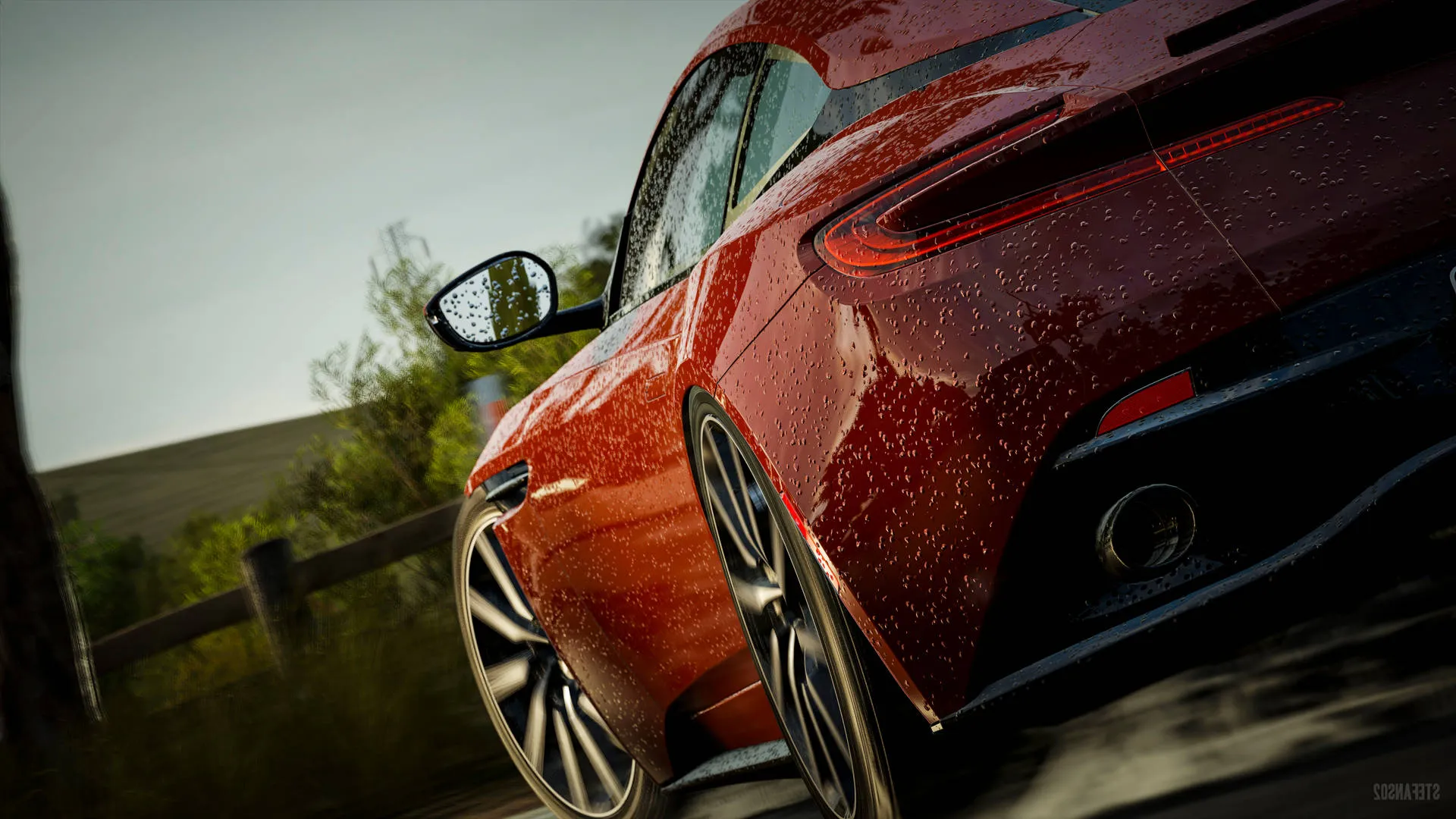
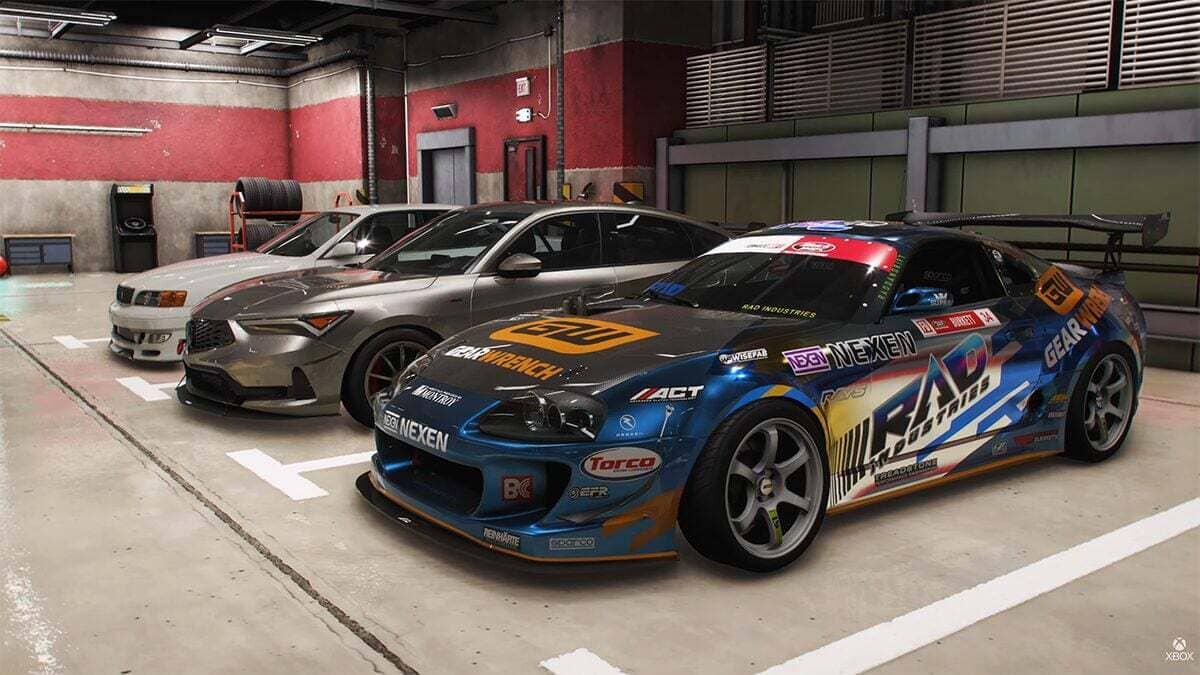
That has always been part of Forza Horizon’s magic. You start with a few cars, then slowly build this weird little museum of your own taste. Some cars are there because they are fast. Some are there because they look ridiculous. Some are there because you won them at the right moment. Some sit untouched for hours, but you still keep them because they feel like part of your playthrough.
At some point, the garage stops being a menu.
It becomes the memory of the game.
The best cars are not always the rarest ones
Every Forza player has at least one car they keep around for no logical reason.
It might not be the best car in the class. It might not be the cleanest tune. It might not even be useful for the next event. But you remember where you got it. You remember the race it carried you through. You remember the road where it finally clicked.
That is what makes the garage feel different from a normal inventory.
A garage is not just a pile of unlocks. It is a timeline. The first car that felt fast. The off-road build you accidentally loved. The expensive car you saved up for. The weird car you kept upgrading until it somehow became your favorite.
Forza Horizon 6 can have the big Japan setting, the festival structure, the visual spectacle, and all the expected racing game polish. But the part that makes people stay is usually smaller than that.
It is the car they do not want to sell.
Japan makes the collection feel better
A good Forza map does more than give you roads. It gives your cars a reason to exist.
That is why the Japan setting matters. City driving feels different from countryside driving. Mountain roads feel different from wide festival routes. A car that feels perfect in one place may feel completely wrong somewhere else.
That variety makes the garage more interesting.
You are not just collecting cars because the game tells you to collect cars. You are collecting different moods. A street car for Tokyo. Something light and sharp for winding roads. Something ugly and powerful for off-road chaos. Something overbuilt just because you can.
The setting gives each car a little more personality.
That is the part I like about Horizon games when they are working. They make you want to drive across the map even when you are not technically doing anything important. You are just moving from one place to another, trying out a new car, taking the long way, smashing through something you probably did not need to smash through.
Then, without noticing, you have built a garage full of small decisions.
Progress feels better when it has a shape
The reason the garage works is because it gives progress a shape.
Numbers are fine. Currency is fine. Levels are fine. But they are not usually what players remember. Players remember the thing they unlocked. They remember the car they finally got. They remember the build that made a race easy after it felt impossible.
That is where Forza does something simple but effective: it turns progress into objects you can actually look at.
A completed event is nice. A new car sitting in the garage is better.
A few more credits are useful. A car you wanted for hours is better.
That is why the account starts to feel personal. Not in some dramatic way. Just in the normal gaming way where you open the garage and realize it looks like you.
Your choices are in there. Your time is in there. Your bad taste is probably in there too.
That is the fun part.
This is why existing accounts are interesting
Most players should probably start Forza Horizon 6 fresh. The early game is part of the experience, and building your own garage from scratch is usually the point.
But it is also easy to understand why some players look for existing accounts.
Maybe they do not want to begin with an empty garage. Maybe they want a head start. Maybe they care about certain cars, currency, cosmetics, or event progress. Maybe they already played on another platform and do not want to repeat the slow part. Maybe they just want to jump into the fun with more options already unlocked.
That is where account marketplaces come into the picture.
A page like Forza Horizon 6 accounts only makes sense because the garage matters. If a Forza account was just a blank save file, nobody would care. The interest comes from what is already built into it: the cars, the progress, the unlocks, and the time someone put into it.
That does not replace the normal way to play. It is just another way players think about games now.
Some people want the fresh start. Some people want the built garage.
A good account listing needs details
The hard part with any account marketplace is that “good account” means different things depending on the game.
For Forza, the important details are not the same as they would be for a shooter, a strategy game, or an MMO. A buyer would care about the garage, rare cars, currency, platform, progress, cosmetics, and anything that makes the account different from a new one.
That is why vague listings are not very useful.
Saying “Forza account for sale” does not tell anyone much. What cars are included? How much progress is finished? Is there currency? Are there rare unlocks? What platform is it on? What makes the account worth looking at?
The more a game is built around collections, the more the listing needs to explain the collection.
That is also why account purchases need a little more care than buying a normal item. Access matters. Recovery risk matters. Buyer expectations matter. PlayerBay’s account warranty page exists for that reason: account orders have their own expectations, and buyers should understand those before jumping in.
The garage is the part players remember
Forza Horizon 6 will probably be talked about for its map, its cars, its Japan setting, its races, and the usual question of whether it lives up to the last game.
That is all fair.
But when players look back months later, I do not think they will remember every event name. They will remember the garage they built while moving through all of it.
They will remember the car they used too much. The one they tuned badly. The one they bought just because it looked good in the city at night. The one they refused to sell even when they needed credits. The one they took down a mountain road just to see how it felt.
That is the part of Forza that sticks.
The garage becomes proof that you were there.
Final take
Forza Horizon 6 is a racing game first. It should be judged on the driving, the roads, the world, and whether it still feels good to lose an hour just cruising around.
But the garage is what gives the game its memory.
It turns races into progress. It turns progress into cars. It turns cars into a collection that feels personal because you built it one drive at a time.
That is why Forza accounts are interesting at all.
Not because every account is some massive asset. Not because every player is thinking about selling. Most are not.
It is because a good garage tells a story.
And in Forza Horizon, that story is half the game.